The Challenge
The Field Museum is a world-renowned research institution and one of Chicago’s most iconic cultural landmarks. They had an ambitious strategic plan for their digital future, but were struggling to turn strategy into action. The organization was grappling with siloed departments, a long history of legacy systems and disjointed processes, and a tendency for ad-hoc requests to derail existing plans. A new team was taking on increased ownership of digital strategy, but lacked the tools to move forward effectively. We recognized that what they needed was a repeatable, objective framework that could evaluate opportunities fairly, break down organizational silos, and build stakeholder buy-in across the museum — transforming their strategic ambitions into a clear, executable roadmap.
Our Expertise
Digital Product Strategy
Digital Transformation
UX Research
The Solution
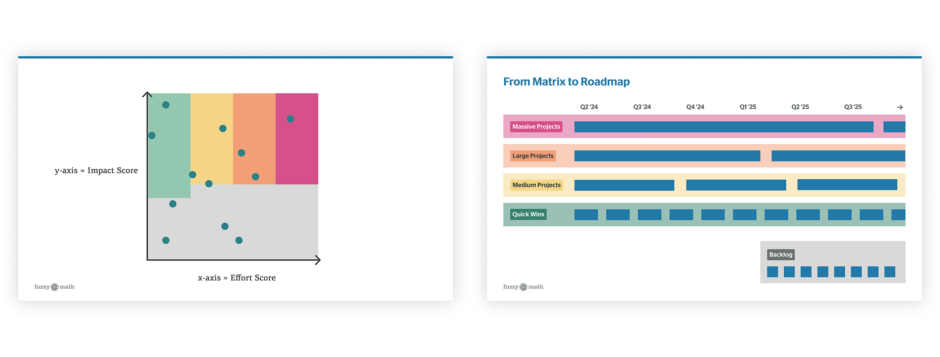
We created a custom prioritization framework that combined multiple methodologies to evaluate 80+ digital opportunities gathered from stakeholder interviews across the museum. We translated the criteria and goals most important to the organization—strategic alignment, audience value, effort, and confidence—into a custom scoring system that provided objective, defensible rankings. Through collaborative workshops, we transformed these scores into a balanced roadmap that mixed quick wins with long-term strategic initiatives. The result was not just a roadmap, but an operational system that allows the Field Museum to continuously evaluate new proposals, build trust and buy-in across the organization, and maintain strategic focus as their digital presence evolves.
People-First Process, Data-Driven Decisions
As we began engaging with museum stakeholders, it became clear that a focus on people, collaboration, and trust were going to be key to building a roadmap that everyone at the museum could get behind and eventually put into action. Conversely, we also realized that combining the thoughts, priorities and voices of 40+ stakeholders was going to require a level of systemization and objectivity to ensure fairness and alignment with the overall strategic vision of the museum. Working at such a scale and level of complexity would require a custom solution, one built for the culture and structure of the organization yet still led by the museum’s strategic plan.
Engaging Stakeholders, Gaining Buy-In
Breaking down organizational silos required more than just gathering input—it demanded a process that made every voice feel heard and valued. We conducted interviews with over 40 leaders across different departments, generating 80+ digital opportunity ideas while building relationships and understanding the museum’s complex organizational dynamics.
Building a Custom Prioritization Framework
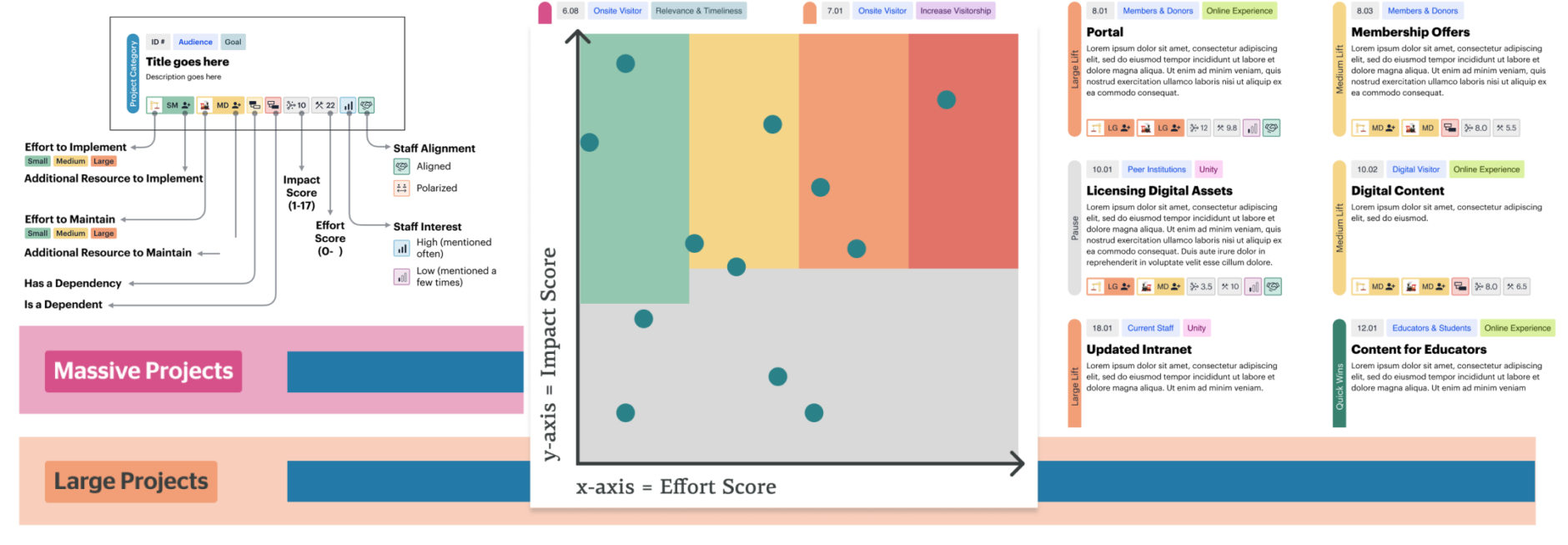
We realized early on that off-the-shelf prioritization methods wouldn’t work for the Field Museum’s unique needs. With 80+ opportunities spanning wildly different scopes—from updating staff bio pages to creating immersive VR experiences—we needed a system that could objectively compare apples to oranges while accounting for multiple dimensions of value and effort. We combined three proven methodologies into one custom framework: the Impact/Effort Matrix for visual prioritization, the RICE method for its numerical scoring suited to technical teams, and the Kano Model to ensure a balanced roadmap of quick wins alongside long-term strategic initiatives. Each opportunity was scored across multiple criteria—alignment with strategic goals, value to different audience types, technical complexity, resource requirements, and confidence level based on visitor research. The beauty of this approach was its custom-tailored fit to the organization, taking proven methodologies and adapting to their unique needs and strategic vision. Most importantly, the framework wasn’t just for this project—it became a repeatable system that the museum could continue to use to evaluate any future digital proposal with the same level of objectivity and strategic alignment.
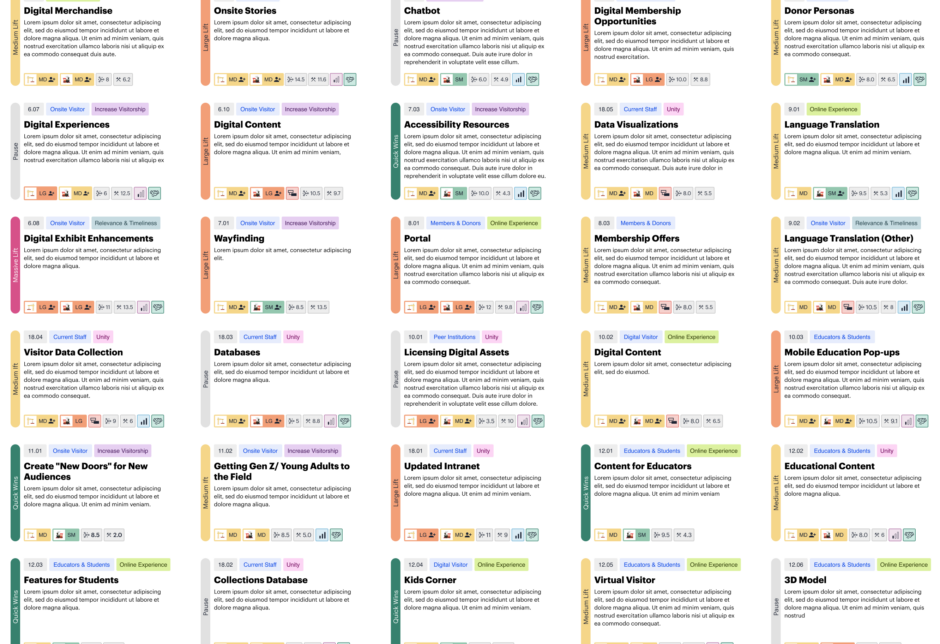
Why a custom prioritization framework?
- Large volume of opportunities to evaluate (80+)
- Multiple types of inputs needed from various departments
- Process-oriented organization was willing to implement something new
- Stakeholders valued data-driven approach
- Needed our strategic recommendations integrated into the process
Roadmapping
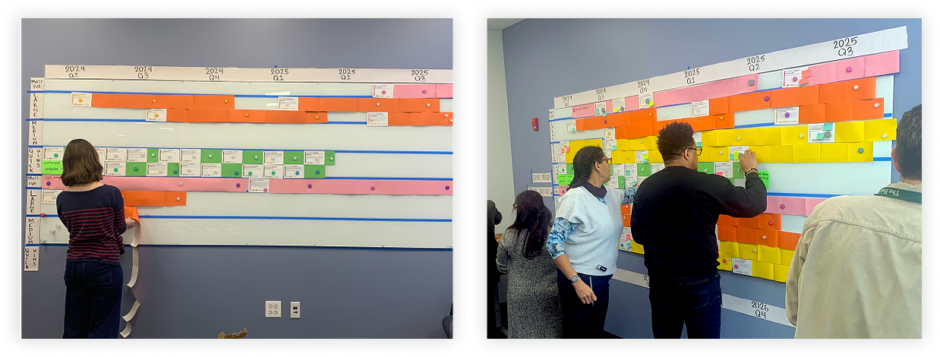
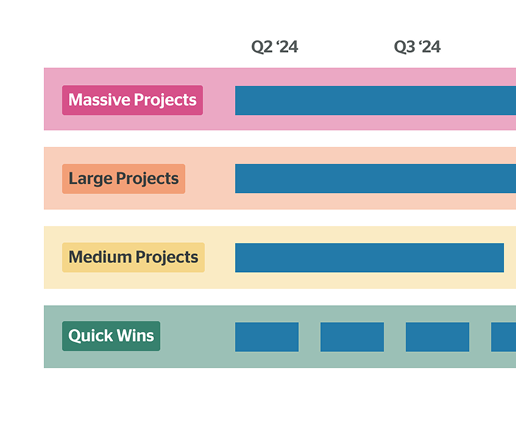
The prioritization exercises culminated in an onsite roadmapping workshop where we brought stakeholders along on our process, building on relationships we began in their interviews. Together, we shaped a roadmap that balanced quick wins with long-term projects, including a complete redesign of the museum’s public-facing website. The workshops we designed weren’t just about presenting our recommendations; they were collaborative sessions where stakeholders could see exactly how their ideas had been evaluated, question the process, and physically interact with the roadmap by moving opportunity cards on the wall. This transparency was critical in an organization where past digital initiatives had created skepticism among stakeholders.
By establishing a clear, math-driven system that treated every proposal equally—whether it came from a scientist, a visitor services team member, or an executive—we helped shift the culture away from ad-hoc decision-making toward a trusted, repeatable process. The result was genuine enthusiasm: stakeholders left feeling not just consulted, but genuinely invested in the digital future of the museum.
Operationalizing the Roadmap
A roadmap is only valuable if it can evolve with the organization, so we focused on creating a living system rather than a static deliverable. We digitized the entire framework, transforming our custom scoring methodology into an automated intake process where anyone at the museum can submit a new digital opportunity through a simple form, and the system automatically calculates impact and effort scores based on their responses—making each proposal directly comparable to everything already on the roadmap. This solved one of the Field Museum’s biggest pain points: one-off requests bypassing the process and derailing planned work.
Key Takeaway
Creating a system to evaluate and map new opportunities and projects wasn’t a one-off exercise. Although the Field Museum team needed a way to implement this strategic plan, they also needed a way to sustain it over the long term. The system we built and operationalized put the process into practice.
The Future
The strategic roadmap set the stage for transformative work ahead, with the website redesign emerging as the first major initiative to launch. Beyond the website, the museum now has both the vision and the operational tools to continuously prioritize and execute digital initiatives, ensuring their strategic plan becomes a reality one well-considered project at a time.
I'm proud that we didn't just follow a rote process but really created something custom and sustainable for the digital future of the museum, building real trust with stakeholders along the way. That trust became the foundation for our continued partnership and all the work that's followed.
Have a project you'd like to discuss?
We'd love to speak with you about your project and how our user experience services can help.
Contact Us